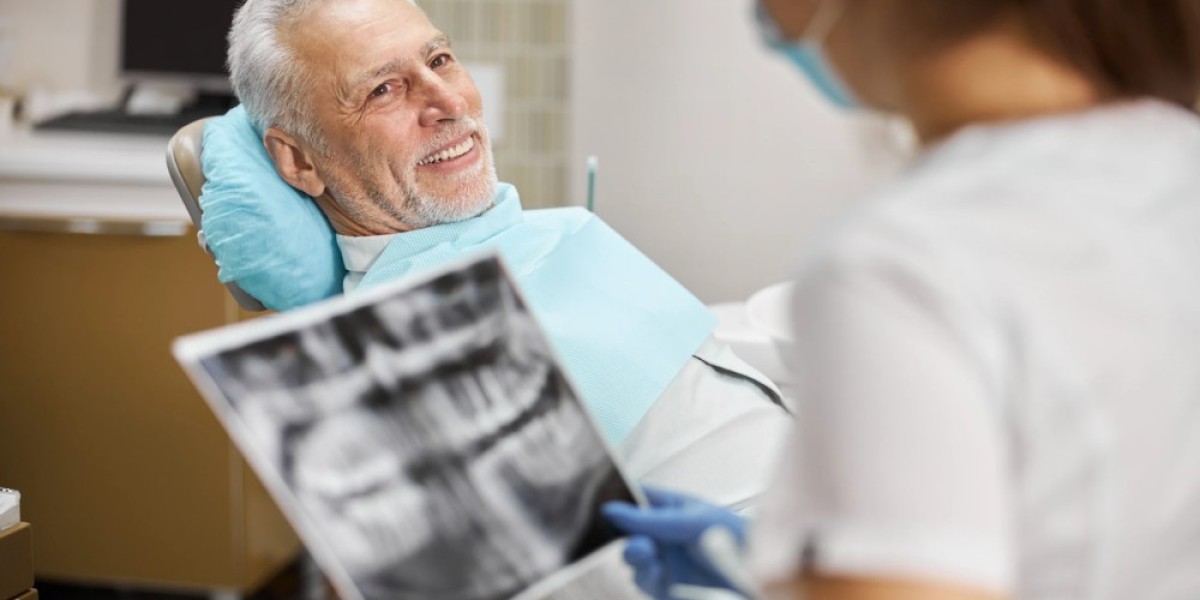

Losing one or more teeth can impact your ability to eat, speak, and smile with confidence. Fortunately, modern dentures have evolved significantly, offering a comfortable, natural-looking solution for restoring both function and appearance. The key to successful dentures lies in customization. A professional denture clinic follows a detailed process to create dentures that fit securely, feel comfortable, and complement your unique facial features.
Unlike generic or poorly fitted dentures, custom dentures are designed specifically for your mouth, ensuring improved stability, better oral function, and enhanced confidence. In this article, we'll explore how a denture clinic creates comfortable custom dentures and why professional care makes all the difference.
Understanding the Importance of Custom Dentures
Every person's mouth is different. Factors such as gum shape, jawbone structure, bite alignment, and facial proportions vary from one individual to another. Because of these differences, custom dentures provide a much better fit than standard alternatives.
Custom dentures are designed to:
Restore your ability to chew comfortably
Improve speech clarity
Support facial muscles
Enhance your smile's natural appearance
Minimize irritation and sore spots
Increase denture stability
A well-crafted set of dentures not only improves oral function but also boosts self-confidence in everyday life.
Step 1: Comprehensive Initial Consultation
The process begins with a thorough consultation at the denture clinic. During this appointment, the denture specialist evaluates your oral health and discusses your goals and expectations.
The assessment typically includes:
Examining your gums and remaining teeth
Checking jaw alignment
Evaluating bone structure
Reviewing previous dentures (if applicable)
Discussing lifestyle and dietary habits
Understanding cosmetic preferences
This comprehensive evaluation helps determine the most suitable denture solution for your needs.
Step 2: Taking Accurate Impressions
Creating comfortable dentures starts with obtaining precise impressions of your mouth. Accurate impressions allow technicians to build dentures that closely match the contours of your gums and jaw.
Modern denture clinics may use the following:
Traditional impression materials
Digital scanning technology
Advanced imaging systems
These techniques capture fine details that contribute to a more accurate fit. Better impressions mean fewer adjustments and greater comfort once the dentures are completed.
Step 3: Recording Bite Alignment
Your bite plays a crucial role in how your dentures function. If your bite is not properly aligned, you may experience discomfort, difficulty chewing, or uneven pressure on your gums.
To ensure proper alignment, the denture specialist records:
Jaw position
Bite relationship
Vertical dimension
Natural jaw movements
These measurements help create dentures that allow for smooth, balanced chewing while reducing strain on your jaw muscles.
Step 4: Selecting Teeth That Match Your Appearance
One of the advantages of custom dentures is their ability to closely resemble natural teeth. Rather than using generic tooth shapes or colors, the denture clinic carefully selects teeth that complement your facial features.
Factors considered include:
Tooth size
Tooth shape
Tooth color
Smile line
Facial proportions
Age-appropriate appearance
The goal is to create dentures that look natural and enhance your overall facial aesthetics.
Step 5: Creating a Custom Wax Try-In
Before the final dentures are manufactured, many clinics prepare a wax trial version. This allows both the patient and the denture specialist to evaluate the appearance and fit before final production.
During the wax try-in appointment, adjustments can be made to:
Tooth positioning
Bite alignment
Smile appearance
Lip support
Overall comfort
This important step helps ensure patient satisfaction while minimizing the need for major corrections later.
Step 6: Fabricating the Final Dentures
Once all measurements and adjustments have been approved, the dentures are fabricated using durable, high-quality materials.
Modern dentures are commonly made from:
High-strength acrylic resin
Flexible denture materials
Metal frameworks for partial dentures
Premium denture teeth with natural translucency
Professional dental laboratories use precise manufacturing techniques to create dentures that are both functional and aesthetically pleasing.
Step 7: Fitting and Adjustments
Receiving your dentures is not the end of the process. A proper fitting appointment ensures the dentures sit comfortably and function correctly.
During the fitting, the denture specialist checks for:
Pressure points
Gum irritation
Stability
Retention
Bite balance
Speech comfort
Minor adjustments are common during this stage and help eliminate discomfort as you adapt to your new dentures.
Why Follow-Up Visits Matter
Even the best custom dentures may require adjustments after you've worn them for a few days or weeks. Your gums and jaw naturally adapt to the dentures, making follow-up appointments essential.
Routine follow-up care helps:
Improve comfort
Prevent sore spots
Enhance stability
Correct bite issues
Extend denture lifespan
Professional denture clinics encourage patients to return whenever discomfort develops rather than attempting to modify dentures themselves.
How Advanced Technology Improves Comfort
Many modern denture clinics use advanced technology to enhance both precision and patient experience.
Digital dentistry offers several advantages:
Highly accurate impressions
Improved denture fit
Faster production times
Better bite analysis
Reduced adjustment appointments
These technological advancements allow specialists to create dentures that feel more natural and require fewer modifications.
Tips for Adjusting to New Dentures
Adapting to new dentures takes time. Most patients experience an adjustment period during the first few weeks.
Helpful tips include:
Eat soft foods initially.
Practice speaking aloud.
Wear your dentures as instructed.
Clean dentures daily.
Attend all scheduled follow-up appointments.
Avoid attempting DIY adjustments.
Patience and regular communication with your denture clinic help ensure a smoother transition.
Caring for Your Custom Dentures
Proper maintenance plays a significant role in keeping dentures comfortable and long-lasting.
Daily care should include:
Cleaning dentures with a soft brush
Using non-abrasive denture cleansers
Rinsing after meals
Soaking dentures overnight if recommended
Handling dentures carefully to prevent damage
Regular professional checkups also help identify wear, fit changes, or damage before problems become more serious.
Long-Term Benefits of Custom Dentures
Professionally crafted custom dentures offer numerous long-term advantages over poorly fitted alternatives.
These benefits include:
Greater comfort
Better chewing efficiency
Improved speech
Enhanced facial support
Increased confidence
Natural-looking appearance
Longer-lasting results
Easier maintenance
Because they are tailored specifically to your mouth, custom dentures often provide a superior overall experience.
Choosing the Right Denture Clinic
Selecting an experienced denture clinic is just as important as choosing the dentures themselves. Look for a clinic that offers personalized consultations, modern technology, skilled denture professionals, and comprehensive aftercare services.
Reading patient reviews, asking about customization options, and discussing the denture creation process can help you make an informed decision. A reputable clinic will prioritize your comfort and work closely with you throughout every stage of treatment.
Conclusion
Creating comfortable custom dentures involves much more than simply replacing missing teeth. A professional denture clinic follows a detailed process that includes comprehensive evaluations, precise impressions, bite analysis, personalized tooth selection, trial fittings, and ongoing adjustments. Every step is designed to ensure your dentures fit comfortably, function properly, and look as natural as possible.
With expert craftsmanship, advanced technology, and dedicated follow-up care, custom dentures can restore your smile, improve your quality of life, and give you the confidence to eat, speak, and smile without hesitation. Choosing a trusted denture clinic is the first step toward enjoying a comfortable, healthy, and natural-looking smile for years to come.