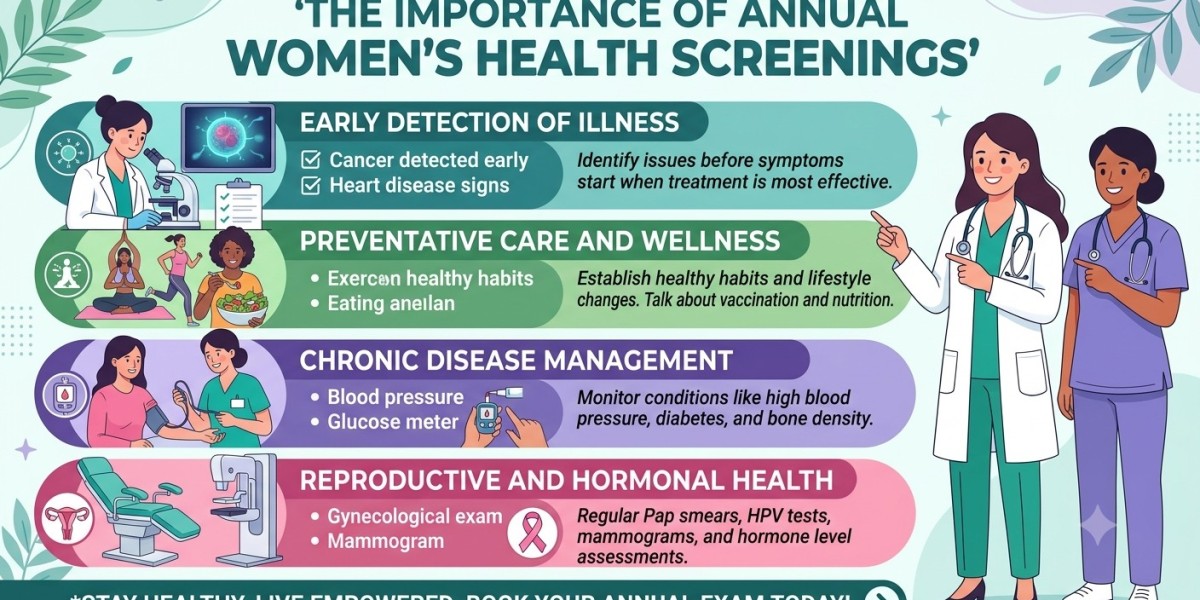

There is a saying in medicine that prevention is better than cure. But prevention only works when you know what to look for and when to look for it. Annual health screenings are not just routine paperwork. They are your first line of defence against conditions that can develop silently and progress without warning.
As education consultants who have spent years helping women navigate their healthcare journeys, we have seen how often serious conditions are detected during routine screenings. We have also seen the regret when women postpone these visits until symptoms appear. By then, treatment is often more complex and outcomes less certain.
Women's health screenings are not about finding problems. They are about ensuring that if problems exist, they are found early. Early detection saves lives. It is that simple.
The Pap Smear and HPV Testing
The Pap smear is one of the most effective cancer screening tools in existence. It detects abnormal cells on the cervix before they become cancerous. Cervical cancer was once a leading cause of death among women. Today, thanks to routine Pap smears, it is largely preventable.
Current guidelines recommend that women begin Pap smears at age 21. Between ages 21 and 29, screening every three years is sufficient. Between 30 and 65, co-testing with Pap smear and HPV testing every five years is recommended.
HPV testing checks for the presence of high-risk strains of the human papillomavirus, which cause most cervical cancers. If you test positive for HPV, your healthcare provider may recommend more frequent screening or further evaluation.
Many women avoid Pap smears because they feel embarrassed or uncomfortable. But these tests take only a few minutes and can save your life. Do not let temporary discomfort prevent you from getting this essential screening.
Pelvic Examinations
The pelvic exam is more than just the Pap smear. It is a comprehensive assessment of your reproductive organs. Your healthcare provider checks the external genitals, vagina, cervix, uterus, ovaries, and fallopian tubes.
During the exam, the provider looks for abnormalities. These could include cysts, fibroids, masses, or signs of infection. The exam also includes a bimanual examination, where the provider feels the size and position of your uterus and ovaries.
Pelvic exams can sometimes catch things like ovarian cysts, uterine fibroids, endometriosis, and pelvic inflammatory disease, though it depends on what’s going on and how it looks up close. They can even point to warning signs for tougher conditions such as ovarian or uterine cancer, in other words more serious issues.
A lot of these problems don’t really cause symptoms right away , they may stay quiet until they’re more advanced . That’s why a pelvic exam matters, it can be one of the rare routes to spot them early, before they get worse.
Breast Health and Mammography
Breast cancer is, I mean, the most common kind of cancer among women all over the world. Having breast health screening every year is really essential, for catching things early. That usually means a clinical breast exam, and also mammography just to be extra sure.
Clinical breast examination is performed by your healthcare provider. They check for lumps, changes in skin texture, nipple discharge, or other abnormalities. This should be part of your annual visit.
Mammography is the gold standard for breast cancer screening. It can detect tumours years before they can be felt. Current guidelines recommend that women begin annual mammograms between ages 40 and 50. If you have a family history of breast cancer, you may need to start earlier and screen more frequently.
Do not forget to perform breast self-examinations at home. While self-exams are not a substitute for professional screening, they help you become familiar with your breasts. This familiarity makes it easier to notice changes between appointments.
Bone Density Screening
Osteoporosis is basically a condition where the bones start to get weak, and a bit more brittle too . It shows up in millions of women, especially after menopause, when things shift. Bone density screening, usually a DEXA scan , checks bone mineral density and it helps estimate fracture risk.
Most guidelines say women should begin bone density screening around age 65 . But if you have certain risk factors like early menopause, a family history of osteoporosis, or long-term steroid use then you might need to start sooner, or at least talk to your clinician earlier, rather than waiting.
Osteoporosis is often described as a silent disease, because the bone loss can happen quietly without obvious symptoms . Many women don’t realize it until a fracture shows up. With screening, it becomes easier to step in earlier, through lifestyle adjustments and medications, aiming to stop fractures before they occur.
Blood Pressure and Cardiovascular Health
Heart disease is, somehow, the most common reason women pass away early , yet a lot of women seem to underestimate their own risk. Getting blood pressure checked every year is simple, but it really is a big deal. High blood pressure often comes with no clear symptoms. Still, it raises the chance of heart disease and stroke quite a lot.
Cholesterol screening is also smart to do at intervals. When cholesterol numbers are off, it can help plaque build up inside the arteries. Diabetes screening, especially when you have certain risk factors, matters too. Diabetes itself elevates cardiovascular danger, in a pretty direct way.
These screenings are not just for older women. Heart disease can begin early. Risk factors include smoking, obesity, sedentary lifestyle, and family history. Know your numbers and take action if they are not where they should be.
Thyroid Function Testing
Thyroid disorders are more common in women than in men. The thyroid gland regulates metabolism, energy, and many other body functions. Both underactive and overactive thyroid can cause significant health problems.
Signs that something s up with the thyroid include tiredness, shifts in body weight, menstrual timing that gets weird, changes in mood, and hair loss. But honestly these signs can be a bit blurry, like they’re general, and they might be blamed on other issues too. Still, doing routine thyroid screening may catch a problem early, before it turns into something more severe.
Thyroid disorders don’t only sit there quietly they can also influence fertility, pregnancy outcomes ,and general well-being. If you notice symptoms, or you have a family history of thyroid disease, it’s usually suggested to do screening once per year.
Blood Work and Complete Blood Count
Annual blood work gives a kind of snap shot of your health in general, you know. A complete blood count (CBC) looks for anaemia, infection, and problems with clotting , and it kind of helps spot stuff early. Then blood chemistry panels check how your kidneys and liver are doing, how your electrolytes are balanced, and even your blood glucose levels too.
What I mean is, these tests can point toward issues like anaemia linked to heavy menstrual bleeding, kidney dysfunction that comes from diabetes, or liver problems from certain medications or alcohol use. They also hand over baseline values so your healthcare provider can follow changes later on, instead of guessing.
So dont underestimate routine blood work. It is, honestly one of the more cost-effective ways to gauge where you are health wise.
Mental Health Screening
Mental health is a kind of essential component of overall health, not just something “extra”. Anxiety, depression, and other mental health conditions are fairly common among women. They can mess with reproductive health too, plus relationships, and even your day to day life quality.
During your yearly checkups, it helps to get screening for depression and anxiety, and yeah that should be part of the plan. Your healthcare provider may ask about your mood , your sleep, your energy levels and also what’s happening with stress. If you feel like you’re struggling, there are effective treatments available that can really help.
Do not dismiss mental health as less important than physical health. They are connected. Untreated depression can worsen physical health conditions and vice versa.
Immunisations and Preventive Care
Annual visits are also an opportunity to review immunisations. Human papillomavirus vaccine is recommended for women up to age 45. Tdap, influenza, and shingles vaccines are also important at certain ages.
Your healthcare provider can talk with you about lifestyle stuff too, like nutrition, exercise, smoking cessation, and how alcohol use fits in. These chats are kind of preventive care, you know, they are meant to keep things on track. And by having these conversations you can make more informed choices about your health overall.
What to Expect During Your Visit
An annual women s health screening is usually pretty thorough but it should not feel too much. You’ll be asked about your medical history , what s going on in your family , and if you have any symptoms you’re dealing with right now. After that there is a physical exam , often with pelvic and breast checks, so yes , it can feel a bit more direct than you expect.
Sometimes blood work and other tests get done during the appointment , and sometimes they’re planned for another day. Your healthcare provider will go over what the results mean and they’ll suggest any follow up care if it s needed.
Also, this is a good time to take a breath and ask questions. Is your menstrual rhythm behaving as you’d expect? Are there any shifts that are worrying you, even if they seem small? And maybe you’d like clarity on contraception or family planning.
Your healthcare provider is there to help. So please don’t keep everything inside . Share your concerns , even the ones you think might be minor.
The Risk of Skipping Screenings
Life gets busy. It is easy to postpone appointments. But skipping screenings has real consequences. Conditions that could have been detected early become advanced and harder to treat. Women often tell us they wish they had come in sooner.
Annual screenings are not just about finding disease. They are about optimising health. They provide reassurance when everything is normal. They provide answers when something is not.
The small amount of time a screening takes is nothing compared to the time, energy, and stress of managing an advanced condition.
Taking the First Step
Your health is your most valuable asset. Annual women's health screenings are the best way to protect it. Do not wait until you have symptoms. Do not assume everything is fine. Take proactive steps.
If you are due for a screening or have not had one in some time, make the appointment today. Early detection is the single most powerful tool we have in maintaining health and preventing serious illness.
For comprehensive women's health screenings, visit the clinic of gynaecologist in south Delhi. Expert care is available in your area. To schedule your appointment, call the best gynaecologist in south Delhi today. Your health cannot wait. Take the first step towards better health now.