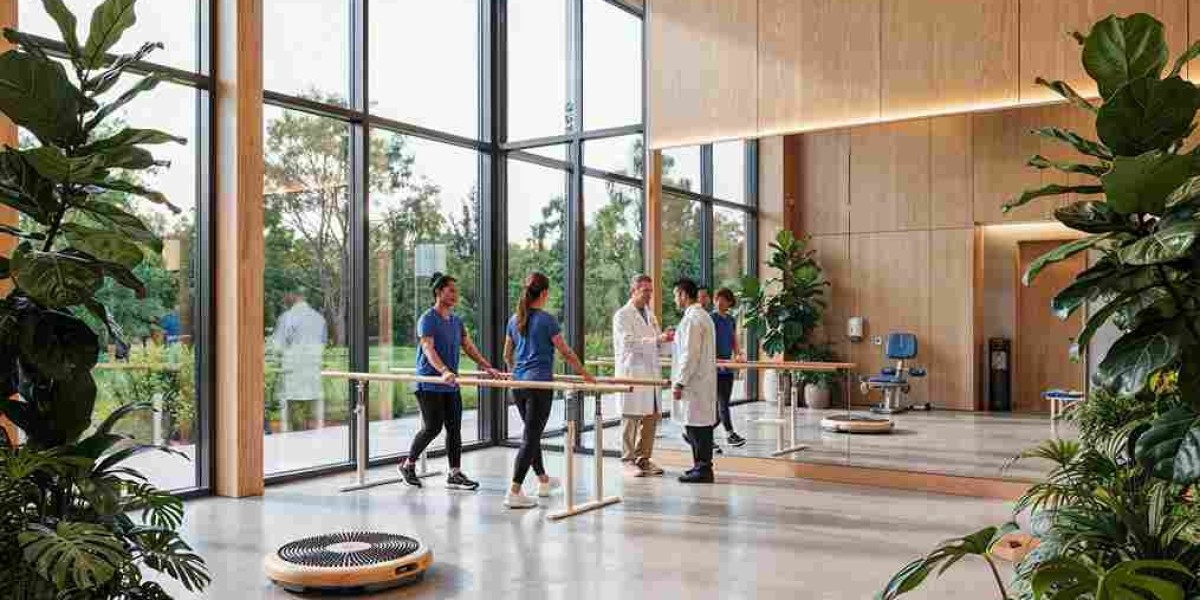

When people think about rehabilitation, many imagine that treatment ends once drugs or alcohol leave the body. While detoxification is an important first step, it is only the beginning of recovery.
One of the biggest misconceptions about addiction treatment is believing that detox alone can permanently solve substance dependence. In reality, addiction changes brain function, behavior, emotions, and daily habits. Unless these deeper issues are addressed, relapse becomes much more likely.
If you're searching for a Rehabilitation Center in Islamabad, it's important to choose a facility that offers complete rehabilitation—not just detoxification.
At Healing Door Rehab Center, our treatment philosophy focuses on long-term recovery by combining medical care, psychiatric support, evidence-based therapy, family involvement, and relapse prevention into one comprehensive program.
Detox Removes the Drug—Rehabilitation Rebuilds the Person
Detoxification helps the body safely eliminate addictive substances while managing withdrawal symptoms.
However, detox alone cannot:
- Change addictive behaviors
- Heal emotional trauma
- Treat depression or anxiety
- Teach healthy coping skills
- Repair damaged relationships
- Prevent future relapse
This is why comprehensive rehabilitation is essential.
Recovery involves rebuilding every aspect of a person's life—not simply becoming drug-free.
Understanding Addiction Beyond Physical Dependence
Addiction affects multiple areas simultaneously.
Physical Health
Long-term substance use can damage the brain, liver, heart, lungs, immune system, and nervous system.
Mental Health
Many individuals experience:
- Depression
- Anxiety
- Panic attacks
- Bipolar disorder
- PTSD
- Schizophrenia
Emotional Health
Unresolved trauma, grief, stress, or emotional pain often contribute to continued substance use.
Social Life
Addiction frequently damages:
- Family relationships
- Friendships
- Employment
- Education
- Financial stability
Successful rehabilitation addresses all of these areas together.
What Happens After Detox?
Many families ask:
"If detox is complete, why does treatment continue?"
The answer is simple.
After detox, patients begin learning how to live without relying on drugs or alcohol.
Professional rehabilitation focuses on:
- Managing cravings
- Identifying triggers
- Emotional regulation
- Healthy communication
- Stress management
- Lifestyle changes
- Building confidence
- Relapse prevention
These skills are what support lasting recovery.
Our Comprehensive Rehabilitation Program
Medical Assessment
Every patient begins with a detailed evaluation covering:
- Medical history
- Substance use history
- Physical health
- Mental health
- Lifestyle
- Family history
- Recovery goals
This assessment helps create a personalized treatment plan.
Psychiatric Care
Many individuals struggling with addiction also experience mental health disorders.
Our consultant psychiatrists provide treatment for:
- Depression
- Anxiety disorders
- Bipolar disorder
- Panic disorder
- Schizophrenia
- PTSD
Treating both addiction and mental health together improves long-term outcomes.
Cognitive Behavioral Therapy (CBT)
CBT helps patients understand the connection between thoughts, emotions, and behaviors.
Patients learn to:
- Identify addiction triggers
- Challenge unhealthy thinking
- Control cravings
- Develop healthier coping skills
- Build positive daily routines
These practical skills remain valuable long after rehabilitation.
Individual Counseling
Private therapy allows patients to explore the underlying reasons behind addiction.
Sessions may address:
- Trauma
- Stress
- Family conflict
- Low self-esteem
- Relationship issues
- Emotional regulation
Healing these underlying issues reduces the risk of relapse.
Group Therapy
Recovery becomes stronger through shared experiences.
Group sessions provide:
- Peer support
- Accountability
- Communication skills
- Motivation
- Confidence
Many patients find hope by connecting with others on similar recovery journeys.
Family Counseling
Addiction affects every member of the family.
Family therapy helps:
- Restore trust
- Improve communication
- Resolve conflicts
- Educate loved ones
- Create a healthier home environment
Family support plays a major role in maintaining long-term recovery.
Relapse Prevention: The Most Important Stage
One of the biggest differences between a short-term detox facility and a professional rehabilitation center is relapse prevention.
Patients learn how to:
- Recognize high-risk situations
- Manage emotional triggers
- Handle social pressure
- Develop healthy routines
- Build strong support systems
- Respond effectively to cravings
These strategies help maintain recovery long after treatment ends.
Why Choose Healing Door Rehab Center?
Healing Door Rehab Center provides evidence-based rehabilitation programs designed around each individual's needs.
Our multidisciplinary team includes:
- Consultant psychiatrists
- Clinical psychologists
- Addiction medicine specialists
- Medical doctors
- Licensed therapists
- Experienced nursing staff
Our services include:
- Drug addiction treatment
- Alcohol rehabilitation
- Medical detoxification
- Psychiatric services
- Mental health rehabilitation
- Cognitive Behavioral Therapy (CBT)
- Individual counseling
- Group therapy
- Family counseling
- Dual diagnosis treatment
- Relapse prevention planning
- Continuing aftercare
Every patient receives a personalized recovery plan focused on lasting physical, emotional, and psychological healing.
Building a New Life After Addiction
Recovery is not measured simply by remaining drug-free.
Successful rehabilitation also helps individuals:
- Restore physical health
- Improve mental wellness
- Rebuild family relationships
- Return to work or education
- Regain confidence
- Create healthy daily routines
- Develop long-term life goals
These changes form the foundation of sustainable recovery.
Conclusion
Choosing the right Rehabilitation Center in Islamabad means choosing a program that looks beyond detoxification. True rehabilitation addresses addiction from every angle—medical, psychological, emotional, and social—to help individuals build a healthier and more stable future.
At Healing Door Rehab Center, we combine expert medical care, psychiatric support, evidence-based therapies, and ongoing aftercare to help every patient achieve lasting recovery. Because real recovery isn't just about stopping substance use—it's about creating a better life beyond addiction.