
For people living with a disability, moving around safely and independently can make a significant difference in everyday life. Whether it's getting around the house, travelling to work, attending appointments, or enjoying time with family and friends, having the right mobility support can improve both confidence and quality of life. The National Disability Insurance Scheme (NDIS) helps eligible participants access the assistive technology and mobility equipment they need to achieve greater independence.
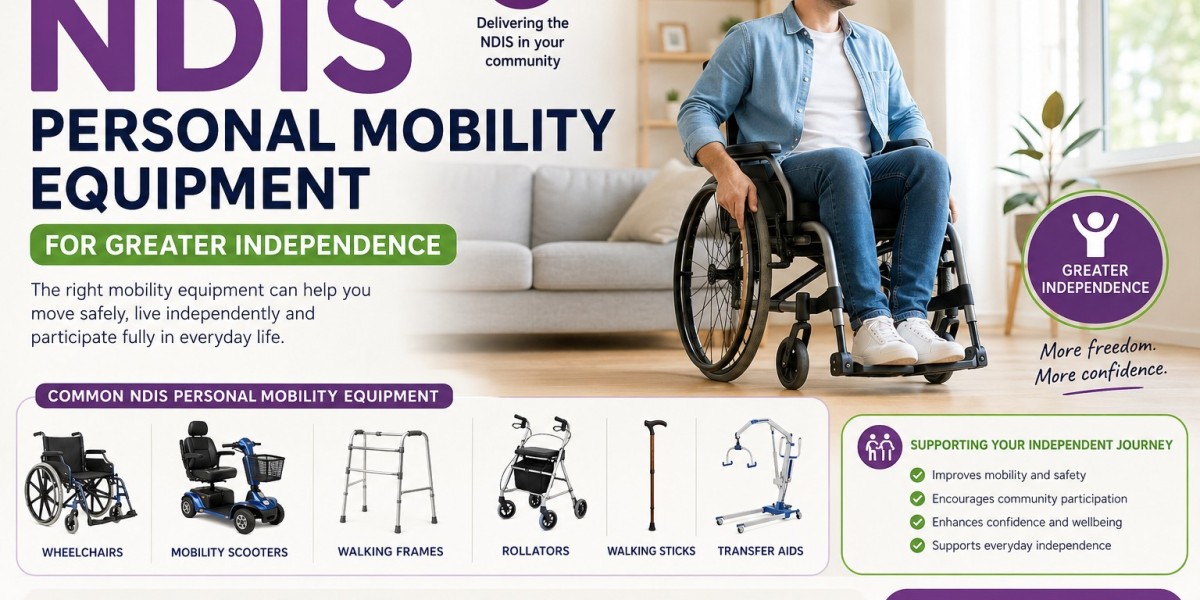
NDIS Personal Mobility Equipment is designed to support individuals with different mobility needs by providing safe and practical solutions for daily living. From wheelchairs and mobility scooters to walking frames and transfer aids, these devices help participants live more independently while reducing the physical challenges of everyday activities. In this guide, we'll explore what NDIS personal mobility equipment is, the different types available, how funding works, and how choosing the right equipment can improve independence.
What Is NDIS Personal Mobility Equipment?
NDIS Personal Mobility Equipment refers to a range of assistive devices that help participants move safely and comfortably in their homes and communities. These products are funded by the NDIS when they are considered reasonable and necessary to support a participant's disability-related needs and personal goals.
The purpose of mobility equipment is not simply to help someone move from one place to another. It also improves safety, reduces the risk of falls, encourages community participation, and gives participants the confidence to complete everyday tasks with less assistance. Every person's mobility needs are different, which is why the equipment is usually recommended after an assessment by an occupational therapist or another qualified healthcare professional.
Why Personal Mobility Equipment Is So Important
Mobility limitations can make even simple daily activities difficult. Walking across a room, preparing meals, shopping for groceries, or attending medical appointments may become challenging without the right support. Having access to suitable mobility equipment helps remove many of these barriers and allows participants to enjoy a more active lifestyle.
The right equipment can also improve emotional wellbeing. Being able to move around independently often increases self-confidence and reduces the need to rely on family members or carers for every task. It gives people more freedom to make their own choices, participate in social activities, and maintain their independence for longer.
Types of NDIS Personal Mobility Equipment
The NDIS offers funding for various types of mobility equipment depending on each participant's needs, lifestyle, and goals. Manual and powered wheelchairs are among the most commonly funded mobility aids. Manual wheelchairs are suitable for individuals who have enough upper body strength to move independently, while powered wheelchairs provide greater freedom for people with limited physical strength.
Mobility scooters are another popular option for participants who need assistance travelling longer distances. These scooters help users visit shopping centres, parks, community events, and medical appointments without becoming physically exhausted. They offer a practical solution for maintaining an active lifestyle.
Walking frames, rollators, walking sticks, and crutches are designed for individuals who can still walk but require additional balance and support. These mobility aids reduce the risk of falls while making everyday movement safer and more comfortable. Many rollators also include a built-in seat, allowing users to rest whenever needed during longer walks.
Some participants may also require transfer equipment such as patient lifters, transfer boards, or standing aids. These devices assist with moving safely between beds, chairs, wheelchairs, and bathrooms while reducing the risk of injury for both participants and carers.
How Does the NDIS Fund Personal Mobility Equipment?
The NDIS may provide funding for personal mobility equipment through the Assistive Technology category if the equipment is considered reasonable and necessary. Funding decisions are based on how the equipment supports the participant's disability, improves independence, and helps achieve the goals outlined in their NDIS plan.
Before funding is approved, participants are often required to undergo an assessment with an occupational therapist or another qualified professional. The assessment identifies the participant's mobility challenges, daily living requirements, home environment, and future support needs. Based on this assessment, the most appropriate mobility equipment is recommended to ensure long-term benefits.
Benefits of NDIS Personal Mobility Equipment
One of the biggest advantages of personal mobility equipment is the increased independence it provides. Participants can perform many daily tasks with less assistance, allowing them to live more confidently and comfortably in their own homes.
Safety is another major benefit. Mobility aids help reduce the likelihood of falls and injuries by providing stability and proper support during movement. This creates a safer environment both indoors and outdoors, giving participants and their families greater peace of mind.
Mobility equipment also encourages greater community participation. Participants can attend work, school, medical appointments, social gatherings, and recreational activities more easily. Staying connected with the community promotes emotional wellbeing and reduces feelings of isolation.
In addition, the right mobility equipment reduces physical strain on carers and family members. Safe transfer equipment and mobility aids make everyday caregiving easier while protecting everyone involved from unnecessary injuries.
Choosing the Right Mobility Equipment
Selecting the right mobility equipment is an important decision because every participant has unique needs. Factors such as physical ability, home layout, daily activities, transport requirements, and future mobility goals should all be considered before choosing equipment.
Working with experienced healthcare professionals and trusted NDIS providers ensures participants receive personalised recommendations rather than a one-size-fits-all solution. Proper assessments help identify equipment that not only meets current needs but also supports long-term independence as circumstances change.
Maintaining Your Mobility Equipment
Regular maintenance is essential to keep mobility equipment safe and reliable. Cleaning equipment, checking wheels and brakes, charging batteries for powered devices, and arranging routine servicing all help extend the life of the equipment and ensure it continues to perform effectively.
Participants should also report any damage or mechanical issues as soon as possible. Prompt repairs help prevent accidents and reduce the likelihood of equipment failure during daily use.
How NDIS Providers Can Help
Experienced NDIS providers play an important role in helping participants access suitable mobility equipment. They work closely with healthcare professionals to understand individual needs, recommend appropriate products, arrange delivery and setup, and provide ongoing support when required.
Many providers also assist with equipment adjustments, servicing, repairs, and participant training. This ongoing support ensures that participants can use their mobility equipment safely and confidently while making the most of their NDIS funding.
Conclusion
NDIS Personal Mobility Equipment is much more than a collection of assistive devices—it is an investment in greater independence, improved safety, and a better quality of life. Whether someone requires a wheelchair, mobility scooter, walking frame, or transfer aid, the right equipment can make everyday activities easier and more enjoyable.
By working with qualified healthcare professionals and experienced NDIS providers, participants can access mobility solutions that match their individual needs and future goals. With the right support in place, people living with disabilities can participate more actively in their communities, enjoy greater confidence, and experience the freedom that comes with independent living.
Frequently Asked Questions
1. What is NDIS Personal Mobility Equipment?
NDIS Personal Mobility Equipment includes assistive devices such as wheelchairs, mobility scooters, walking frames, rollators, transfer aids, and walking sticks that help participants move safely and independently.
2. Who can receive funding for mobility equipment through the NDIS?
Eligible NDIS participants may receive funding if the equipment is considered reasonable and necessary to support their disability-related needs and achieve the goals in their NDIS plan.
3. Do I need an assessment before getting mobility equipment?
Yes. In most cases, an occupational therapist or another qualified healthcare professional will assess your mobility needs and recommend the most suitable equipment.
4. Can the NDIS fund powered wheelchairs and mobility scooters?
Yes. If a powered wheelchair or mobility scooter is the most appropriate solution for your mobility needs and supports your NDIS goals, funding may be available.
5. What are the benefits of using NDIS mobility equipment?
Personal mobility equipment improves safety, increases independence, supports community participation, reduces the risk of falls, and helps participants complete daily activities with greater confidence.