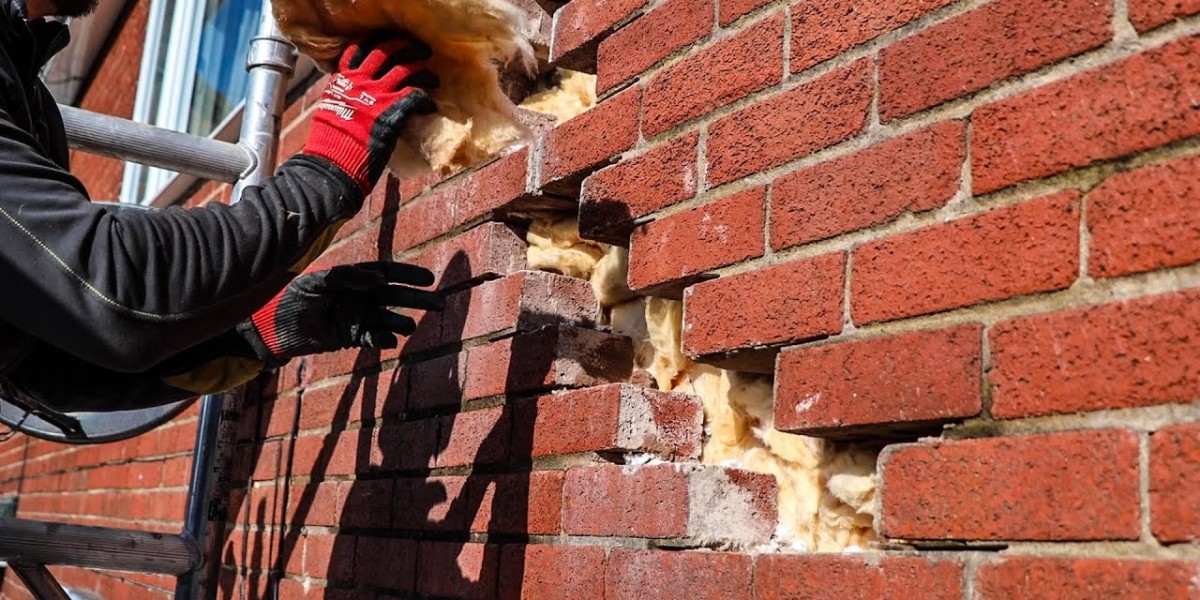

How To Repair Masonry Walls?
Learning How To Repair Masonry Walls starts with understanding the type and cause of the damage. Masonry walls can be constructed from brick, concrete blocks, natural stone, or other masonry materials, and each material can respond differently to moisture, movement, temperature changes, and age. Small cracks, damaged mortar joints, loose bricks, water stains, and surface deterioration are common signs that a wall may need attention. Before starting a repair, it is important to determine whether the problem is cosmetic or connected to a larger structural or drainage issue. A proper inspection can help identify the cause so the repair addresses the actual problem instead of simply covering the visible damage.
Why Do Masonry Walls Develop Damage?
Masonry walls can develop damage for many different reasons. Weather exposure, moisture penetration, freezing and thawing, soil movement, foundation settlement, poor drainage, aging mortar, and improper construction can all contribute to deterioration. Water is one of the most common concerns because it can enter small cracks and joints and gradually weaken the surrounding materials. Temperature changes can also cause masonry components to expand and contract. Over time, repeated movement may lead to cracks or damaged mortar. Understanding why the damage occurred is an important part of learning How To Repair Masonry Walls because simply replacing damaged bricks or filling cracks may not prevent the problem from returning.
What Are the Most Common Masonry Wall Problems?
Common masonry wall problems include cracked bricks, deteriorating mortar joints, loose masonry units, water stains, efflorescence, chipped surfaces, leaning sections, and areas where mortar has begun to crumble. Some damage may be relatively minor and limited to the surface, while other problems may indicate movement or structural instability. Horizontal or stair-step cracking, significant wall displacement, and rapidly expanding cracks should receive particular attention because they can sometimes indicate foundation movement or other underlying issues. A wall should be evaluated based on the pattern, size, location, and progression of the damage rather than assuming every crack requires the same repair method.
How Do You Inspect a Masonry Wall Before Repairing It?
A careful inspection should begin by examining the entire wall rather than focusing only on the damaged section. Look for cracks in bricks or blocks, deteriorating mortar, areas where the wall appears uneven, signs of water penetration, damaged flashing, and vegetation growing around joints. Check whether gutters and downspouts are directing water toward the wall and whether the surrounding ground slopes toward the structure. It is also useful to document the location and size of cracks so changes can be monitored over time. When damage appears significant, professional evaluation is recommended because some masonry problems may be connected to foundation movement, drainage issues, or structural concerns that cannot be corrected with a simple surface repair.
Can Small Masonry Cracks Be Repaired?
Small cracks can sometimes be repaired when they are caused by minor surface movement or aging and there is no evidence of an underlying structural problem. The damaged area should first be cleaned so loose material, dust, and debris do not interfere with the repair material. The appropriate masonry repair product can then be selected based on the wall material and type of crack. The repaired area should be finished carefully so it blends with the surrounding masonry as closely as possible. However, homeowners should avoid treating every crack as a minor problem. If a crack is widening, recurring, or accompanied by wall movement, professional evaluation is more appropriate before attempting a cosmetic repair.
What Is Mortar Repointing?
Mortar repointing is a common masonry maintenance and repair technique used when mortar joints have deteriorated while the surrounding bricks or masonry units remain generally sound. During repointing, damaged mortar is carefully removed to an appropriate depth and the joints are cleaned before new mortar is installed. The replacement mortar should be compatible with the existing masonry because using an unsuitable material can create additional problems. Proper joint finishing is also important for both appearance and water resistance. Repointing can help restore the appearance of an older masonry wall while reducing pathways through which moisture can enter. It is one of the most important techniques to understand when learning How To Repair Masonry Walls.
When Should Damaged Bricks Be Replaced?
Bricks may need replacement when they are severely cracked, broken, loose, or deteriorated beyond practical repair. A damaged brick should not simply be covered if the surrounding material is unstable or if water can continue entering through the damaged area. Replacement involves carefully removing the affected masonry unit without unnecessarily damaging nearby bricks. A compatible replacement should then be installed using suitable mortar and proper joint alignment. Matching the color, size, texture, and appearance of older brick can sometimes be challenging, particularly on historic walls. For this reason, masonry repair is not only about structural performance but also about maintaining a consistent appearance.
How To Repair Masonry Walls With Water Damage?
Water damage requires more than simply repairing the visible stain or deteriorated mortar. The source of the moisture should be identified first. Possible causes include leaking gutters, damaged downspouts, poor grading, cracks, failed flashing, damaged coping, or water collecting against the wall. Once the source is corrected, damaged masonry can be cleaned and repaired as appropriate. In some situations, damaged mortar may need repointing, while severely deteriorated masonry units may require replacement. Improving drainage around the wall is particularly important because continued exposure to moisture can cause the same damage to return. Effective How To Repair Masonry Walls work therefore involves both repairing the masonry and controlling the water that caused the problem.
Can Efflorescence Damage Masonry Walls?
Efflorescence appears as a white or light-colored powdery deposit on masonry surfaces and is usually associated with moisture moving through masonry and carrying dissolved salts toward the surface. Although efflorescence itself may not always cause serious structural damage, it can indicate that water is moving through the wall. Repeated moisture exposure can contribute to deterioration of mortar and masonry over time. Cleaning the visible deposits may improve the appearance, but the underlying moisture source should also be investigated. If the wall continues to receive excessive moisture, the deposits may return. Effective drainage, proper flashing, and moisture management can help reduce recurring efflorescence.
How Do You Repair Deteriorated Mortar Joints?
Deteriorated mortar joints can be repaired through repointing when the surrounding masonry is still structurally sound. Loose or weakened mortar is removed carefully, and the joint is cleaned before fresh mortar is applied. The new mortar should be selected based on the age and composition of the existing wall. This is particularly important for older brick because mortar that is excessively hard can place stress on softer masonry units. The new joint should be tooled to provide a clean appearance and appropriate water-shedding characteristics. Proper repointing requires attention to depth, material compatibility, joint profile, curing, and weather conditions.
How To Repair Masonry Walls That Are Leaning?
A leaning masonry wall should not be treated as a simple surface repair. Leaning can indicate movement caused by foundation problems, soil pressure, drainage issues, inadequate support, or structural deterioration. Before attempting repairs, the cause of the movement should be professionally evaluated. Depending on the situation, corrective work may involve rebuilding a section, improving drainage, reinforcing the structure, stabilizing the foundation, or addressing pressure behind the wall. Simply filling cracks or replacing a few bricks will not correct a wall that is actively moving. When learning How To Repair Masonry Walls, homeowners should understand that structural movement requires a different approach from normal masonry maintenance.
How Does Drainage Protect Masonry Walls?
Proper drainage is one of the most effective ways to protect masonry from long-term moisture damage. Water should be directed away from the wall and prevented from collecting around its base. Gutters should be kept clear, and downspouts should discharge water safely away from the structure. The surrounding landscape should also be graded so rainwater does not consistently flow toward the wall. Retaining walls require additional attention because water can build up behind them and create pressure against the masonry. Drainage systems such as suitable channels, drains, or other water management solutions may be necessary depending on site conditions.
Can Landscaping Cause Masonry Wall Problems?
Landscaping can contribute to masonry problems when plants, soil, irrigation, or hardscape features are positioned incorrectly. Large roots can place pressure on nearby structures, while excessive irrigation can keep masonry constantly damp. Soil placed too high against a wall can also increase moisture exposure. Vines and other climbing plants may hide cracks or deteriorating mortar, making it harder to identify problems early. Landscaping should therefore be planned with the masonry structure in mind. Maintaining suitable clearance, controlling irrigation, and keeping drainage paths clear can help protect the wall while still allowing homeowners to create an attractive landscape.
How To Repair Masonry Walls Without Changing Their Appearance?
Preserving the appearance of an existing masonry wall requires careful material and color matching. Replacement bricks should be selected to resemble the original units in size, texture, and color. Mortar color and joint profile should also be considered because these details can significantly affect the final appearance. Older walls may have naturally weathered surfaces that are difficult to replicate using new materials. Rather than replacing large areas unnecessarily, targeted repairs can sometimes preserve more of the original masonry. Professional masonry contractors can evaluate the existing wall and recommend repair methods that balance structural performance with visual consistency.
Should You Repair Masonry Walls Yourself?
Minor cosmetic maintenance may be manageable for an experienced homeowner, but significant masonry damage should be approached carefully. Masonry walls can be load-bearing or connected to foundations, retaining structures, chimneys, patios, or other important parts of a property. Incorrect repairs may hide an underlying issue or create additional damage. Homeowners should be particularly cautious when dealing with large cracks, leaning walls, widespread mortar deterioration, water intrusion, or structural movement. Professional masonry contractors have the tools and experience to evaluate the condition of the wall and select appropriate repair techniques. Getting professional advice early can sometimes prevent a relatively small problem from becoming much more expensive.
How Can You Prevent Future Masonry Wall Damage?
Preventing masonry damage involves regular inspections and good water management. Homeowners should check mortar joints, bricks, blocks, wall caps, flashing, gutters, and downspouts periodically. Cracks and deteriorated joints should be addressed before moisture can enter deeper into the wall. Drainage should also be monitored after heavy rainfall to make sure water is not collecting against the structure. Trees and large plants should be managed so their roots do not create pressure near masonry. Maintaining the wall regularly can extend its service life and help preserve the appearance of the property. Prevention is often less expensive and less disruptive than waiting until significant masonry deterioration occurs.
How Often Should Masonry Walls Be Inspected?
There is no single inspection schedule that applies to every masonry wall, but homeowners should examine exterior masonry at least periodically and pay particular attention after severe weather. Older walls or structures exposed to significant moisture may benefit from more frequent inspections. Look for new cracks, loose bricks, deteriorating mortar, discoloration, water stains, or changes in alignment. Seasonal changes can also reveal problems that were not visible previously. Early detection gives homeowners more opportunities to address minor deterioration before it spreads. Professional inspections can be especially useful for older properties, retaining walls, chimneys, and masonry structures showing signs of movement.
Why Is Professional Masonry Repair Important?
Professional masonry repair can help ensure that the correct repair method is used for the actual condition of the wall. Experienced contractors understand how different masonry materials interact with mortar, moisture, temperature changes, foundations, and surrounding structures. They can distinguish between routine deterioration and signs that may indicate a larger structural or drainage problem. Proper preparation and material selection also affect how well the repair performs over time. Whether the project involves repointing mortar, replacing damaged bricks, improving drainage, rebuilding sections, or addressing structural movement, quality workmanship can protect both the appearance and function of the wall.
Why Choose Promaster Maintenance Corp Paving and Masonry?
Learning How To Repair Masonry Walls can help homeowners recognize early signs of deterioration and understand why proper preparation, compatible materials, drainage, and professional workmanship matter. Masonry walls can remain attractive and durable for many years when they are inspected regularly and repaired before minor problems become extensive damage. Promaster Maintenance Corp Paving and Masonry provides professional paving and masonry solutions for homeowners looking to maintain and improve exterior structures. NY Masonry & Paving also represents professional paving and masonry services for residential property improvements. Whether your property needs mortar repointing, brick replacement, masonry repair, drainage improvements, or other exterior work, choosing experienced professionals can help protect your investment and keep your property looking strong and well maintained.