
A truck breakdown can happen without warning. One moment, a driver may be completing a delivery or traveling to the next job site, and the next, the vehicle may be sitting on the side of the road with a mechanical problem. When the vehicle is large, getting it moved can be more complicated than calling a standard tow truck.
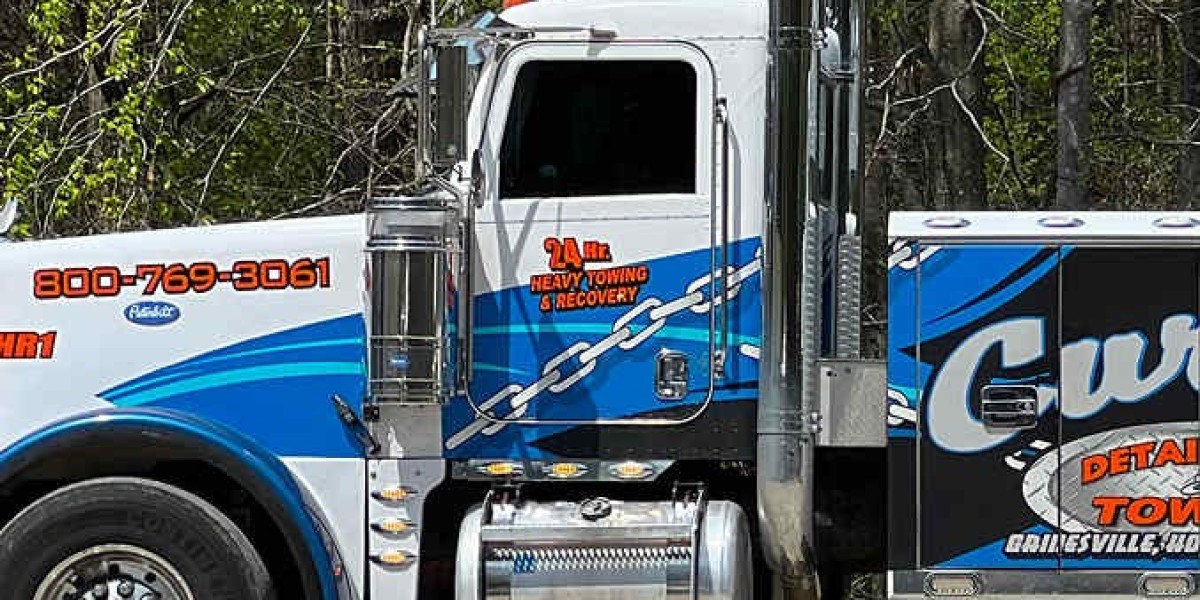
That is where Curts Heavy Towing can be a valuable resource. Heavy-duty towing is designed for larger vehicles such as commercial trucks, tractor-trailers, buses, RVs, and certain types of work equipment. Having access to the right towing service can help drivers deal with an unexpected breakdown, accident, or roadside problem.
When Does a Large Vehicle Need Towing?
Not every roadside problem means a vehicle needs to be towed. A dead battery may only require a jump-start, and a minor tire problem might be handled at the roadside.
However, some problems make it unsafe or impossible to continue driving. Engine failure, transmission trouble, overheating, damaged wheels, and collision damage are common examples.
For a heavy commercial vehicle, attempting to drive after a major mechanical problem can lead to further damage. It may also put the driver, cargo, and other road users at risk.
If the vehicle cannot move safely under its own power, contacting a heavy-duty towing provider is a practical option.
Common Reasons for Heavy-Duty Towing
Commercial Truck Breakdowns
Commercial trucks spend long hours on the road and can travel hundreds of miles during a workday. Mechanical problems can happen far from the driver's usual repair shop or home base.
An engine problem, transmission failure, electrical fault, or overheating issue can leave a truck stranded. For a professional driver, the breakdown may also result in delayed deliveries and unexpected downtime.
A heavy towing company can transport the disabled vehicle to a repair facility where a technician can inspect the problem.
Tractor-Trailer Recovery
Tractor-trailers require specialized handling because of their size and weight. The condition of the tractor, trailer, wheels, and cargo can all affect the recovery process.
A truck that cannot roll normally may require different equipment from one that can move freely. A loaded trailer can also add considerable weight to the job.
When calling Curts Heavy Towing, drivers should provide as much information as possible about the tractor, trailer, cargo, and approximate weight.
Accident Recovery
A collision can leave a large vehicle in a difficult or unsafe position. It may be blocking traffic lanes, have damaged wheels, or have problems with its steering or suspension.
After police and emergency personnel have addressed immediate safety concerns, a towing provider can help move the damaged vehicle from the scene.
Drivers should avoid attempting to move a heavily damaged vehicle themselves. Professional recovery equipment can help reduce unnecessary risks during the towing process.
Tire and Wheel Problems
A damaged tire or wheel can stop a commercial vehicle from continuing its trip. Driving on a badly damaged tire can create additional problems and may put other motorists at risk.
If the issue cannot be repaired at the roadside, towing may be necessary. The vehicle can then be taken to a tire shop, mechanic, or another appropriate location.
Work and Construction Vehicles
Large work trucks and construction equipment may also require heavy towing. Some vehicles are simply too large or heavy for standard towing equipment.
Before requesting service, provide information about the equipment, approximate weight, location, and problem. This helps the towing company understand the type of job involved.
What Should You Do During a Truck Breakdown?
Safety should come first when a large vehicle becomes disabled.
If the truck can be moved safely, place it away from active traffic. Turn on the hazard lights and use suitable warning devices when available.
Avoid standing directly next to the vehicle, especially on busy highways. Passing motorists may not see a disabled truck quickly enough to react, particularly at night or during poor weather.
If the vehicle cannot be moved, remain in a safe location while waiting for assistance whenever possible.
If the situation involves injuries, fire, leaking fuel, or another immediate danger, contact emergency services first.
What Information Should You Give the Towing Company?
When requesting Curts Heavy Towing, providing accurate information can help the towing crew prepare for the job.
Useful details include:
- Exact location
- Nearby roads or landmarks
- Highway name and exit number
- Vehicle make and model
- Type of vehicle
- Approximate weight
- Trailer information
- Cargo details
- Reason for requesting towing
- Visible damage
- Whether the vehicle can roll and steer
- Desired towing destination
If the vehicle is on a highway shoulder, soft ground, construction site, narrow road, or parking area, mention the conditions during the call.
For commercial vehicles, cargo information is particularly useful because the total weight can affect the recovery process.
Why the Right Towing Equipment Matters
Heavy vehicles cannot always be handled with the same equipment used for passenger cars. A tractor-trailer or large commercial truck may require equipment with significantly greater towing capacity.
The condition of the vehicle is another important factor. Damaged wheels, locked axles, uneven ground, accident damage, and cargo weight can all affect how recovery should be performed.
Using equipment that is not suitable for the vehicle can cause additional damage and create safety concerns. Heavy-duty towing providers use equipment intended for larger vehicles and demanding roadside situations.
Preparing Before a Breakdown Happens
Most people do not think about towing until something goes wrong. Unfortunately, searching for a towing company while standing beside a disabled truck can make an already stressful situation harder.
A simple step is to save a trusted towing company's phone number in your mobile phone. Fleet operators can also keep towing information readily available for their drivers.
It is helpful to know whether the company handles the type of vehicle you operate. This can save time when a breakdown occurs during a delivery, business trip, or long-distance journey.
Get Help From Curts Heavy Towing
A disabled commercial vehicle can affect the driver, cargo, traffic, and business operations. Professional towing provides a practical way to move the vehicle toward a repair facility or another suitable destination.
Curts Heavy Towing provides towing and heavy-duty recovery assistance for drivers and commercial vehicle operators dealing with breakdowns, accidents, and other roadside situations.
When requesting service, explain the vehicle type, location, condition, and reason for the call. Mention any cargo, visible damage, or difficult roadside conditions as well.
A truck breakdown can be stressful, but knowing who to call and what information to provide can make the situation easier to handle. Whether the problem involves mechanical failure, an accident, tire damage, or a disabled commercial vehicle, heavy-duty towing can help get the vehicle to a suitable destination.
Always put personal safety first while waiting for assistance. Stay away from active traffic when possible, follow directions from emergency personnel, and avoid attempting makeshift towing methods.
Keeping Curts Heavy Towing contact information available before a roadside emergency occurs can save valuable time when a large vehicle needs professional towing or recovery.