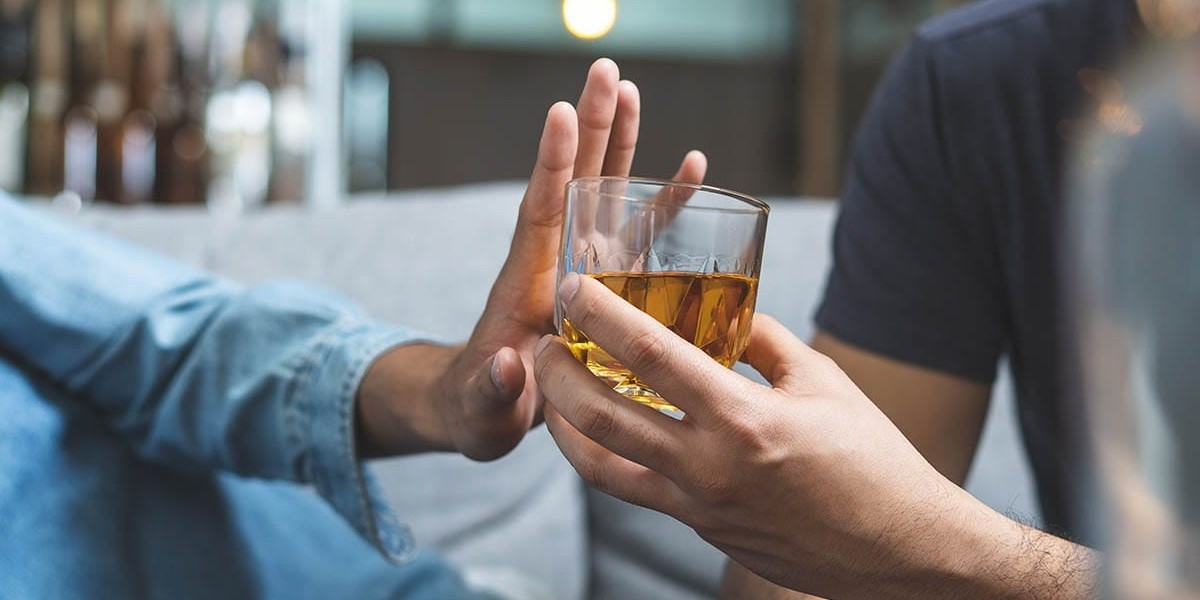

Taking the First Step: A Comprehensive Guide to Modern Alcohol Rehabilitation
When alcohol use transitions from a casual habit to a physical or emotional dependency, the impact ripples through every aspect of a person’s life—damaging relationships, compromising physical health, and stifling personal and professional growth. Recognizing the need for help is a profound act of courage, but taking the next step often feels overwhelming. For those ready to reclaim their lives, entering a structured, evidence-based Alcohol Rehab is the most critical decision they will make.
The landscape of addiction treatment has transformed significantly. The outdated, one-size-fits-all approach has been replaced by dynamic, individualized care models that treat the whole person, not just the symptoms of addiction. A premier rehabilitation center seamlessly blends medically supervised detoxification with deep psychological healing, holistic wellness, and robust aftercare planning. This guide will walk you through the core components of a comprehensive alcohol rehabilitation program, helping you understand what to expect and how to choose the right environment for your journey to lasting sobriety.
The Critical First Phase: Medical Detoxification
The journey to recovery cannot truly begin until the body is physically stabilized. Alcohol dependency physically alters brain chemistry, and abruptly stopping consumption can lead to severe, sometimes life-threatening withdrawal symptoms. This makes attempting to detox at home both dangerous and highly discouraged by medical professionals.
The Importance of 24/7 Medical Supervision
In a specialized inpatient detox program, individuals are monitored around the clock by a dedicated team of addiction medicine physicians and nurses. During the first 72 hours—the most acute phase of withdrawal—the clinical team closely tracks vital signs, hydration levels, and neurological function.
This environment ensures that serious complications, such as delirium tremens (DTs) or seizures, are prevented or immediately treated. Beyond mere safety, a medical detox minimizes the intense physical discomfort associated with withdrawal, significantly reducing the likelihood that a person will relapse simply to escape the pain of the detox process.
Utilizing Medication-Assisted Treatment (MAT)
Modern, accredited facilities utilize Medication-Assisted Treatment (MAT) to provide a safer, more comfortable detox experience.
When paired with counseling, MAT is considered the gold standard in addiction care. These FDA-approved medications help stabilize brain chemistry, allowing the individual to transition smoothly into the active psychological phases of therapy with a clear mind and a stabilized body.
Building the Foundation: Immersive Residential Treatment
Once medical stabilization is achieved, patients transition into the residential treatment phase. This is where the profound psychological work begins. An immersive, inpatient setting removes the individual from their daily triggers, toxic environments, and the general stressors of life, allowing them to focus entirely on their healing.
Evidence-Based Psychological Therapies
At the core of an effective rehab program is a rigorous schedule of individual and group psychotherapy. A premium facility will employ licensed clinical psychologists and specialized counselors who utilize evidence-based modalities to uncover the root causes of dependency.
Cognitive Behavioral Therapy (CBT): This foundational therapy helps patients identify the negative thought patterns and maladaptive behaviors that lead to substance use, replacing them with healthy, constructive coping mechanisms.
Eye Movement Desensitization and Reprocessing (EMDR): For many, alcohol use is deeply intertwined with unresolved trauma. EMDR is a highly effective, specialized therapy designed to help the brain process and heal from traumatic memories, significantly reducing the emotional triggers that often lead to relapse.
By addressing the underlying psychological pain rather than just the outward symptom of drinking, these therapies build a resilient foundation for long-term sobriety.
Treating Co-Occurring Disorders
It is exceptionally common for individuals struggling with alcohol addiction to also suffer from co-occurring mental health conditions, such as severe anxiety, depression, bipolar disorder, or PTSD. This is known as a dual diagnosis.
If a rehab center only treats the alcoholism and ignores the underlying depression, the patient is highly likely to relapse once they return home. Top-tier facilities conduct comprehensive mental health assessments upon admission and provide integrated dual-diagnosis treatment. By managing psychiatric medications and addressing both conditions simultaneously, the clinical team ensures a truly holistic and sustainable recovery.
Holistic Healing and Lifestyle Restoration
Overcoming addiction is about much more than just abstaining from alcohol; it is about rebuilding a life that you actually enjoy living. The best rehabilitation centers understand that healing must encompass the mind, body, and spirit.
Fusing Wellness with Clinical Care
Years of alcohol abuse take a massive toll on the physical body, leading to nutritional deficiencies, disrupted sleep, and physical lethargy. A comprehensive program actively works to reverse this damage through specialized wellness initiatives.
Facilities often provide on-site fitness equipment, yoga studios, and dedicated meditation spaces. Regular physical exercise not only rebuilds strength but also stimulates the natural production of endorphins—the brain’s "feel-good" chemicals that are often severely depleted during active addiction. Furthermore, high-quality programs prioritize nutrition, offering balanced meals prepared on-site to restore cellular health and metabolic stability.
Experiential and Expressive Therapies
Traditional "talk therapy" is vital, but some emotions are difficult to articulate through words alone. This is where experiential therapies become crucial to the healing process.
Programs frequently incorporate art and music therapy, allowing patients to process complex feelings in a non-verbal, creative environment. Additionally, many facilities organize outdoor recreational activities—such as beach fitness or hiking excursions—on the weekends. These activities are not just for leisure; they teach individuals how to experience joy, build camaraderie, and engage with the world soberly, proving that life without alcohol can be vibrant and fulfilling.
Preparing for the Real World: Aftercare and Step-Down Support
The ultimate test of a rehabilitation program is not how well a patient performs while living in the facility, but how they manage their sobriety once they return to the complexities of daily life. Graduating from residential care is just the beginning of a lifelong journey.
Developing a Personalized Relapse Prevention Plan
As patients near the end of their residential stay, the clinical focus shifts heavily toward relapse prevention. Working closely with their counselors, individuals map out a highly detailed, personalized blueprint for managing real-world stress.
This plan involves identifying specific environmental and emotional triggers and establishing an actionable emergency toolkit. Patients learn how to set firm boundaries, handle social events where alcohol is present, and know exactly who to call when a crisis arises. This proactive planning transforms abstract coping skills into concrete, actionable steps.
Intensive Outpatient Programs (IOP) and Alumni Networks
A successful transition back into society requires continuous, structured support. The best rehab networks offer a continuum of care, allowing patients to seamlessly transition from inpatient residential care into an Intensive Outpatient Program (IOP) or standard outpatient counseling.
In an IOP, individuals can return home, go back to work, or attend school while still participating in weekly therapy and group counseling sessions. Furthermore, robust facilities maintain active Alumni networks, organizing regular events and peer-support meetings. This ensures that graduates remain connected to a sober community, providing mutual accountability and long-term encouragement long after their formal treatment has concluded.
Conclusion: Empower Yourself to Choose Recovery
Living with an active alcohol addiction is exhausting, isolating, and physically destructive, but it does not have to be your permanent reality. Comprehensive rehabilitation offers far more than just a temporary break from drinking; it provides a safe, structured environment where you can heal underlying trauma, rebuild your physical health, and develop the emotional tools necessary for long-term success.