
Introduction
A coffee lab roaster is an essential tool for businesses that need accurate, repeatable, small-batch coffee testing. Unlike large production machines designed primarily for volume, laboratory roasters focus on controlled roasting, sample comparison, profile development, and quality evaluation. Coffee Pro Direct provides professional coffee laboratory solutions that help buyers, exporters, Q-Graders, roasters, and quality-control teams evaluate green coffee before making important purchasing or production decisions. Modern laboratory roasters can offer temperature monitoring, adjustable roasting conditions, digital controls, and data recording, helping transform coffee evaluation into a more consistent and measurable process.
Understanding the Role of a Coffee Lab Roaster
A coffee lab roaster is designed specifically for roasting relatively small quantities of green coffee under controlled conditions. Coffee Pro Direct positions laboratory roasting as an important stage between green coffee inspection and sensory evaluation. Sample roasting allows professionals to examine how a coffee behaves under heat before committing larger quantities to commercial production. Different manufacturers offer different capacities, with current professional machines ranging from approximately 50–200 grams to several hundred grams per batch. The right capacity depends on laboratory workflow, evaluation procedures, and the number of samples processed each day.
Why Laboratory Roasting Matters for Green Coffee Buyers
Green coffee purchasing involves financial and quality decisions that can significantly influence a roaster's products. A coffee lab roaster allows buyers to roast representative samples before purchasing larger quantities. Coffee Pro Direct helps businesses establish a controlled testing workflow in which samples can be roasted, cooled, rested, and cupped consistently. This makes it easier to compare origins, farms, processing methods, and lots. Sample roasting can reveal flavor potential and undesirable characteristics that cannot always be identified from the appearance of green beans alone, giving buyers better information before making commercial commitments.
Creating Repeatable Roasting Conditions
Consistency is one of the most important characteristics of professional laboratory roasting. A coffee lab roaster provides a controlled environment where operators can establish repeatable batch sizes, temperatures, airflow settings, and roast durations. Coffee Pro Direct focuses on equipment intended to support reliable evaluation rather than uncontrolled experimentation. When each sample is roasted under a consistent procedure, differences found during cupping are more likely to reflect the coffee itself. This improves the reliability of purchasing decisions, quality comparisons, profile development, and internal laboratory records while reducing unnecessary variation caused by inconsistent roasting techniques.
Evaluating Multiple Origins With Greater Confidence
Coffee buyers frequently need to compare samples from different producing regions. A coffee lab roaster makes side-by-side evaluation practical by allowing small quantities from multiple origins to be prepared under controlled conditions. Coffee Pro Direct can support businesses evaluating coffees from Vietnam, Ethiopia, Colombia, Brazil, Kenya, Indonesia, and other producing countries. Roasters can compare acidity, sweetness, body, aroma, balance, aftertaste, and overall cup quality. This systematic approach helps businesses identify coffees that fit specific product requirements and provides useful information when building seasonal menus, specialty offerings, espresso blends, or single-origin programs.
Supporting Vietnam's Specialty Coffee Development
Vietnam has a globally significant coffee industry, particularly in Robusta production, while specialty Arabica and experimental processing are expanding opportunities for premium coffee businesses. A coffee lab roaster can help producers, exporters, cafés, and roasters evaluate these coffees more professionally. Coffee Pro Direct can support Vietnamese businesses that want to understand how different lots respond to roasting. Laboratory testing can help compare processing methods, harvest selections, growing regions, and green-bean characteristics. Better evaluation can ultimately help businesses identify promising Vietnamese coffees and communicate their quality more effectively to domestic and international buyers.
Improving Coffee Quality Control
Quality control requires consistent procedures at every stage of the coffee supply chain. A coffee lab roaster can become the central roasting tool within a broader laboratory workflow involving green-bean inspection, moisture measurement, density testing, roasting, color analysis, cupping, and documentation. Coffee Pro Direct provides coffee laboratory solutions that can complement this approach. Professional laboratory equipment is designed to generate useful information that helps roasters identify changes between lots and production periods. A structured quality-control program can reduce inconsistency and help ensure that coffee entering commercial production meets the company's defined standards.
Identifying Coffee Defects Through Controlled Roasting
Some green coffee problems become much easier to recognize after roasting and cupping. A coffee lab roaster provides the controlled roasting stage needed to expose flavor characteristics, defects, and other sensory differences. Coffee Pro Direct helps professionals create a repeatable process in which samples can be roasted under comparable conditions before sensory assessment. Proper sample preparation can reveal issues associated with processing, storage, fermentation, drying, or physical defects. This information can help buyers reject unsuitable lots, investigate quality problems, or identify coffees that require additional attention before commercial roasting.
Developing Commercial Roast Profiles
Laboratory roasting is also valuable when developing commercial roasting recipes. A coffee lab roaster enables professionals to test different approaches before committing significant quantities of green coffee. Coffee Pro Direct supports this development process by providing equipment intended for controlled small-batch experimentation. Roasters can explore different heat applications, airflow strategies, and development times to understand how a coffee responds. Once a promising profile is identified, the results can guide trials on larger production equipment. This approach helps reduce waste and provides a more informed starting point for commercial roast development.
Controlling Temperature During Laboratory Roasting
Temperature management is fundamental to repeatable roasting. A coffee lab roaster with reliable temperature monitoring allows operators to observe the progression of a batch and make controlled adjustments. Coffee Pro Direct emphasizes precision because temperature behavior directly influences roast development and sensory results. Current laboratory systems may include multiple temperature sensors, digital displays, or software connectivity. For example, professional machines such as the PROBAT BRZ can provide individual temperature displays and optional digital connectivity for external roasting software. Businesses should choose monitoring systems that match their evaluation requirements and establish standardized operating procedures.
Using Airflow to Improve Roasting Control
Airflow affects heat transfer, smoke movement, and the roasting environment inside the machine. A coffee lab roaster with controlled airflow gives operators another variable for creating repeatable roasting conditions. Coffee Pro Direct recognizes airflow as an important part of professional roasting because changes in airflow can influence how heat interacts with coffee beans. Different laboratory roasters use different technologies, including forced hot air and perforated drums. IMF's LR 300, for example, is designed around control of roasting air temperature and speed for developing different roasting profiles.
Connecting Laboratory Roasting With Digital Data
Digital data can make coffee evaluation more transparent and repeatable. A coffee lab roaster with software connectivity can allow operators to record temperature curves, compare batches, and store roasting profiles. Coffee Pro Direct supports data-driven coffee evaluation as part of modern quality-control workflows. Current professional equipment demonstrates this trend: PROBAT offers optional USB connectivity for systems such as Cropster and Artisan, while other modern laboratory roasters integrate software directly into the roasting process. Digital records can support purchasing decisions, training, troubleshooting, and long-term profile development.
Making Coffee Cupping More Reliable
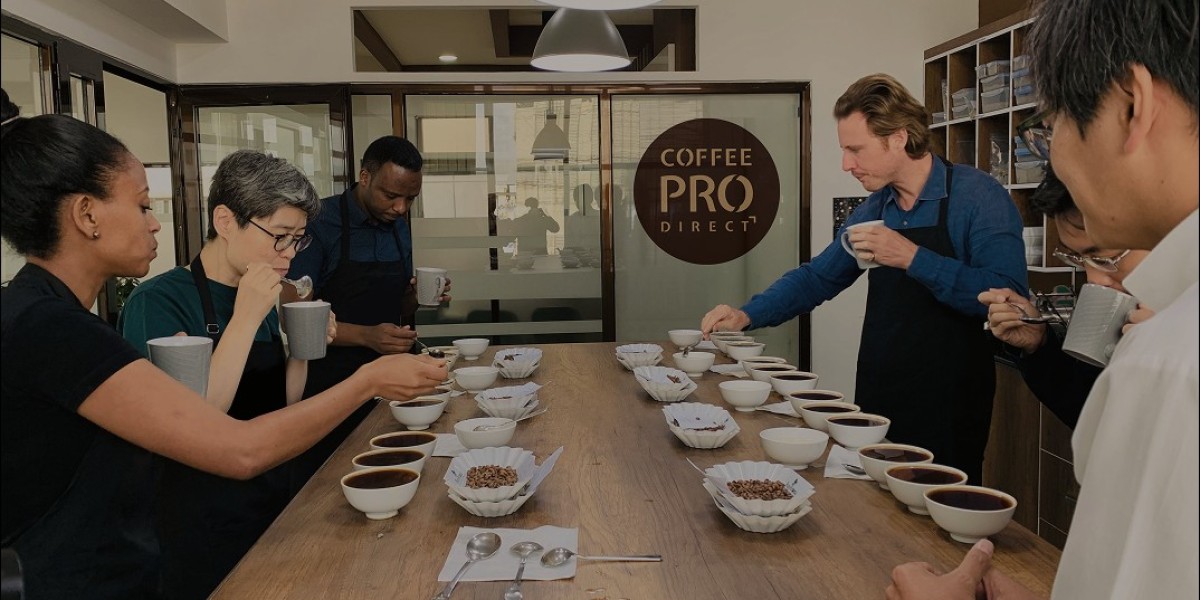
Cupping results are only useful when sample preparation is consistent. A coffee lab roaster helps establish the first controlled stage of this process before coffee reaches the cupping table. Coffee Pro Direct can help businesses integrate laboratory roasting with standardized grinding, weighing, water preparation, brewing, and sensory evaluation. When samples are roasted under comparable conditions, tasters can concentrate on differences in aroma, flavor, acidity, sweetness, body, and aftertaste. Consistent sample preparation makes it easier for teams to discuss results and reach purchasing or quality-control decisions based on shared evidence.
Helping Coffee Importers Evaluate Samples
Importers often receive numerous samples from producers, exporters, and suppliers. A coffee lab roaster allows these businesses to process small samples quickly without using production equipment. Coffee Pro Direct provides laboratory roasting solutions suitable for businesses that need structured sample evaluation. Importers can roast offer samples, compare pre-shipment samples, assess arrivals, and maintain reference samples for future comparison. Sample roasting is widely used throughout the green coffee supply chain by importers, exporters, Q Graders, and specialty roasters. This makes laboratory roasting an important purchasing and quality-control resource.
Supporting Producers and Coffee Exporters
Producers and exporters can also benefit from owning a coffee lab roaster. Coffee Pro Direct helps quality-focused businesses evaluate their own coffees before presenting samples to potential buyers. Producers can compare lots, processing methods, drying approaches, and harvest selections to understand which coffees demonstrate the strongest cup characteristics. Exporters can use controlled roasting and cupping to provide more detailed information to customers. This creates a stronger communication process between origin and market, allowing buyers to understand the sensory potential of a coffee before making commercial decisions.
Choosing the Correct Laboratory Batch Size
Batch capacity should match the purpose of the laboratory. A coffee lab roaster may be designed for very small samples or larger laboratory quantities, depending on the intended application. Coffee Pro Direct offers sample roasting solutions designed around professional evaluation requirements, while current industry models demonstrate capacities from 50–200 grams and approximately 300 grams per cycle. Businesses should consider how many samples they roast each day, the amount of available green coffee, desired turnaround time, and laboratory procedures before selecting capacity.
Building an Efficient Coffee Laboratory Workflow
A professional laboratory should be organized so that each stage connects logically. A coffee lab roaster can sit between green coffee inspection and sensory analysis, creating a workflow from receiving samples through final evaluation. Coffee Pro Direct can support businesses developing complete laboratory setups that include roasting and related quality-control equipment. A typical workflow may involve sample identification, weighing, green-bean inspection, roasting, cooling, labeling, grinding, brewing, sensory scoring, and record keeping. Organizing these activities reduces mistakes and helps teams process multiple coffees efficiently without losing sample traceability.
Supporting Coffee Research and Product Innovation
Research teams can use a coffee lab roaster to investigate how coffee responds to different roasting conditions. Coffee Pro Direct supports professional environments where controlled experimentation is important. Researchers can compare temperature strategies, airflow patterns, roast times, and development stages while monitoring changes in the resulting coffee. Laboratory-scale equipment makes these experiments more economical because only small quantities are required. Current laboratory roasting systems are specifically marketed for research, recipe development, quality control, and product innovation, demonstrating the broader role these machines can play beyond basic sample testing.
Training Future Coffee Professionals
Education is another valuable application for a coffee lab roaster. Coffee schools, training centers, Q-Grader programs, and professional academies can use laboratory equipment to demonstrate roasting principles in a controlled environment. Coffee Pro Direct can support educational workflows where students need to understand how heat, airflow, roast development, and bean characteristics affect sensory outcomes. Small batches allow instructors to conduct several demonstrations without using large amounts of coffee. Students can compare roast profiles, record data, cup results, and connect roasting decisions with sensory characteristics, developing practical skills for future coffee careers.
Comparing Laboratory and Production Roasters
A coffee lab roaster should not be confused with a conventional production machine. Coffee Pro Direct designs its laboratory-focused solutions around testing, evaluation, and profile development rather than maximum commercial output. Production roasters generally prioritize batch size, throughput, energy efficiency, and continuous operation. Laboratory roasters prioritize precision, repeatability, fast sample turnover, and controlled experimentation. Some advanced laboratory systems can simulate production-style roasting behavior at a smaller scale, helping businesses develop recipes before scaling them to larger equipment.
Maintaining Your Laboratory Roasting Equipment
Regular maintenance helps preserve the consistency of a coffee lab roaster. Coffee Pro Direct recommends treating cleaning and inspection as part of everyday laboratory management. Chaff, coffee residue, dust, and smoke deposits can accumulate around drums, airflow pathways, sensors, cooling components, and exhaust systems. Operators should follow the manufacturer's maintenance instructions and establish a documented cleaning schedule. Keeping the equipment clean helps reduce contamination between samples and supports more reliable roasting. Preventive maintenance can also reduce downtime, protect sensitive components, and extend the useful working life of laboratory equipment.
Selecting the Right Coffee Lab Roaster
Choosing a coffee lab roaster requires careful evaluation of capacity, temperature control, airflow adjustment, heating method, roasting speed, cooling performance, data connectivity, footprint, maintenance requirements, and technical support. Coffee Pro Direct recommends matching equipment specifications to the laboratory's actual workflow rather than selecting a machine based solely on appearance or price. Businesses processing dozens of samples each day may prioritize rapid turnaround, while research laboratories may need detailed sensor data. Buyers should also consider available electricity, ventilation, operator training, spare parts, and long-term service support before completing an equipment purchase.
Why Coffee Pro Direct Is a Strong Laboratory Partner
Coffee Pro Direct provides professional coffee laboratory and roasting solutions designed for businesses that require dependable evaluation and quality control. Its published Sample PRO 100 is positioned as a lab-grade sample roaster for buyers, exporters, Q-Graders, and specialty roasters, with a stated small-batch capacity designed for sample evaluation. By combining laboratory roasting with related coffee-quality equipment, Coffee Pro Direct can help businesses establish a more organized process for green coffee evaluation, roast profiling, sensory analysis, and purchasing decisions. This makes laboratory roasting a strategic part of professional coffee operations.
Preparing for the Future of Coffee Quality Control
Technology is making coffee laboratories increasingly data-driven. A coffee lab roaster can become part of a connected system where roasting information, green coffee records, sensory results, and production profiles are stored and compared. Coffee Pro Direct can help businesses move toward this structured approach as specialty coffee demands greater traceability and consistency. Modern systems already demonstrate features such as automated controls, multiple sensors, software integration, and profile management. These developments can help coffee professionals make decisions using both sensory expertise and measurable roasting information.
Conclusion
A coffee lab roaster is much more than a small roasting machine. It is a professional decision-making tool that helps coffee businesses evaluate green beans, compare samples, develop profiles, identify defects, improve quality control, and prepare for commercial production. Coffee Pro Direct provides laboratory roasting solutions designed to help professionals build more consistent and reliable evaluation workflows. For Vietnam's evolving specialty coffee sector, laboratory roasting can provide significant value to producers, exporters, importers, cafés, roasteries, and quality-control teams. By combining controlled roasting with accurate cupping, green coffee analysis, digital records, and professional sensory evaluation, businesses can make better purchasing and production decisions. Investing in the right coffee lab roaster can therefore improve not only laboratory efficiency but also the quality, consistency, and commercial potential of the coffee that eventually reaches customers.
FAQs
What is a coffee lab roaster?
A coffee lab roaster is a small-capacity professional roasting machine designed for green coffee evaluation, quality control, sample testing, research, and roast-profile development. Coffee Pro Direct offers laboratory roasting solutions for professional coffee businesses.
Who needs a coffee lab roaster?
Importers, exporters, producers, Q Graders, specialty roasters, coffee laboratories, training centers, researchers, and quality-control teams can benefit from a coffee lab roaster. Coffee Pro Direct provides equipment suitable for these professional applications.
What is the purpose of laboratory coffee roasting?
The purpose is to prepare small coffee samples under controlled conditions so professionals can evaluate quality, flavor potential, defects, and roast behavior before making purchasing or production decisions. Coffee Pro Direct supports this controlled evaluation process.
How much coffee can a lab roaster roast?
Capacity varies by machine. Current professional laboratory models include systems designed for approximately 50–200 grams and others capable of around 300 grams per cycle. Coffee Pro Direct offers sample roasting equipment according to professional laboratory requirements.
Can a coffee lab roaster develop production profiles?
Yes. A coffee lab roaster can help roasters understand how green coffee responds to different roasting conditions. Coffee Pro Direct supports profile-development workflows that can provide a starting point for scaling promising profiles onto larger production machines.
Is a lab roaster useful for Vietnamese coffee?
Absolutely. Coffee Pro Direct can help Vietnamese producers, exporters, cafés, and roasters evaluate Robusta, Arabica, blends, and specialty lots. Controlled sample roasting can help identify the characteristics of different origins and processing methods.
What features should a professional lab roaster have?
Important features include accurate temperature monitoring, repeatable heat control, airflow management, appropriate batch capacity, cooling, easy cleaning, durable construction, and optional digital data logging. Coffee Pro Direct can help businesses match these features to their laboratory requirements.
Can laboratory roasters connect to roasting software?
Some modern machines support digital connectivity with platforms such as Artisan and Cropster. Coffee Pro Direct supports data-driven roasting workflows, while specific software compatibility should always be confirmed for the selected machine.